Internet Radio Hosting for High-Quality Audio
The Essential Guide to Internet Radio Hosting: Build Your Own Station Today
The world of internet radio provides unique opportunities for emerging broadcasters. This guide offers insights into the key aspects of launching a successful station. From picking the ideal software to interacting with an audience, every element is important. Grasping these components can determine whether a station becomes a fleeting hobby and a thriving platform. As the landscape evolves, how can broadcasters ensure their station remains distinctive? The insights are contained in this guide.
Internet Radio Explained: An Overview and Key Benefits
Internet radio has transformed the world of audio broadcasting by providing a platform for diverse voices and content. As opposed to traditional radio, which is commonly restricted by geographic limitations and regulatory frameworks, internet radio enables anyone with an internet connection to broadcast their ideas, music, and stories worldwide. This openness nurtures a thriving community of creators and listeners, resulting in a wide variety of niche genres and formats.
The benefits of internet radio extend beyond diversity. It delivers adaptability in programming, empowering hosts to shape content suited to targeted audiences. Furthermore, the absence of costly licensing fees associated with traditional broadcasting can make it a more viable option for aspiring broadcasters. Internet radio also supports interactivity, allowing listeners to engage with hosts in real-time. Ultimately, this medium not only democratizes the broadcasting process but also enriches the audio landscape, making it a compelling choice for both creators and audiences.
Picking Software for Your Internet Radio Station
Picking the correct software can significantly impact the performance of an online radio station. Various options are accessible, each catering to varying needs and budgets. Broadcasters must take into account easy-to-use interfaces that promote seamless operation and management. Software that supports live streaming, automated playlists, and scheduling can boost listener engagement and ensure a consistent broadcast schedule.
Moreover, support for multiple audio formats and streaming protocols is crucial for connecting with a broader audience. Some platforms offer built-in analytics tools, supplying useful details regarding listener demographics and content preferences, which can guide content and programming choices.
Pricing also plays a significant role; a number of software programs are available for free, while others necessitate a paid plan. At the end of the day, choosing the right software involves balancing features, ease of use, and budget constraints, allowing the station to function at its best while offering valuable content to its viewers.
Picking the Ideal Equipment for Internet Radio
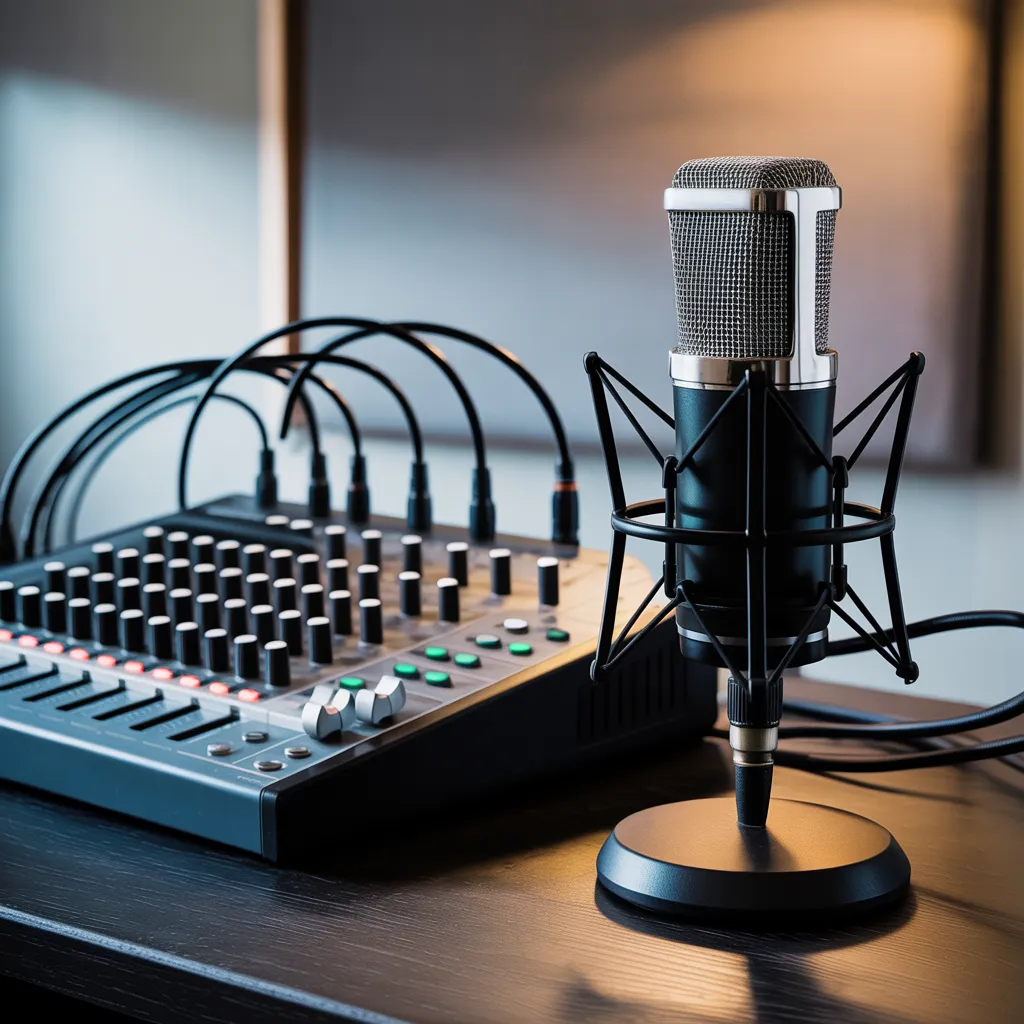
Selecting the appropriate equipment is essential for creating a polished internet radio station. Essential elements include a reliable microphone, audio interface, and headphones. A quality microphone, such as a condenser mic, records sound accurately, while an audio interface transforms analog signals to digital. This ensures excellent audio performance for streaming.
Headphones serve as important for audio monitoring to avoid feedback. Closed-back models are preferred to prevent audio bleed during live broadcasts. Furthermore, a reliable broadcast mixer can seamlessly handle multiple audio sources efficiently.
Purchasing a dependable machine with enough processing power and RAM is also critical, as it enables streaming software and audio production tasks.
Furthermore, including a noise reduction setup for the recording environment can greatly enhance sound quality. By thoughtfully choosing each component, radio hosts can craft a polished and engaging audio experience, setting the foundation for a prosperous digital radio broadcast.
Crafting Engaging Content: Selecting Between Talk, Music, or Storytelling
What factors make content genuinely engaging for audiences? The choice between music, talk, or storytelling markedly influences listener engagement. Music can evoke emotions and create a shared experience, drawing in audiences with curated playlists or live performances. Talk shows, on the other hand, foster connection through discussions on current events, interviews, and personal anecdotes, appealing to listeners seeking information and community.
Storytelling enchants through narratives that connect with human emotions, drawing audiences deep into the developing story. Each format requires a unique approach; music demands thoughtful curation and seamless progression, spoken word calls for dynamic exchanges and broad perspectives, whereas storytelling flourishes through rich imagery and authentic characters.
In the end, the decision copyrights on the listeners' inclinations and the broadcaster's character. Striking the perfect balance among these factors can craft a vibrant listening environment that draws audiences back time after time, enhancing the broadcaster's general attractiveness.
How to Get Noticed and Build Your Audience
Robust audience expansion tactics are critical for every online radio station seeking to broaden its audience. One fundamental approach is leveraging social media platforms to create buzz and attract listeners. By distributing captivating content, like program highlights or insider behind-the-scenes moments, stations can foster engagement and inspire sharing within target audiences.
Additionally, collaborating with influencers or other content creators can bring the station to the attention of new audience segments. Cross-promotions, where all parties involved benefit, can greatly enhance audience reach.
Email marketing is another powerful tool; regular newsletters can keep listeners informed about upcoming shows or special events. Participating in online forums and communities related to the station's niche can also help build a loyal listener base.
Lastly guaranteeing the station is listed on leading directories and platforms maximizes discoverability, helping fresh audiences locate it with resource ease. Combined these tactics drive meaningful audience development for any internet radio station.
Captivating Your Audience: Tips for Interaction
What methods can internet radio stations use to build a genuine bond with their audience? Building audience engagement demands a comprehensive strategy that encourages participation. Radio stations can leverage social media channels to promote live feedback, giving audiences the opportunity to express their opinions and song requests. Incorporating live call-ins or messages during broadcasts creates an interactive atmosphere, making listeners feel valued.
Moreover, arranging contests or giveaways can boost active participation, while regular polls or surveys help tailor content to audience preferences. Individualized shout-outs can additionally improve the listener experience, allowing audience members feel seen and appreciated.
In addition, developing themed segments or programs inspired by audience interests can further deepen engagement. By continually engaging with listener input and showing responsiveness, broadcasting stations can build loyalty and trust. At its core, the fundamental principle involves championing audience participation, converting disengaged audiences into an active community that feels connected to the station's purpose.

Popular Questions and Answers
What Are the Regulatory Requirements for Starting an Online Radio Station?
To launch a web-based radio station, you must obtain required licenses, such as performance rights licenses and broadcasting authorizations. Compliance with copyright laws and regulations is essential to steer clear of legal problems and guarantee efficient operation.
How Can I Monetize My Internet Radio Station Effectively?
To profitably run an internet radio station, one should consider sponsorships, advertising, merchandise sales, listener donations, subscription models, and affiliate marketing. Expanding income sources enhances financial stability and can attract a broader audience.
What Are the Top Practices for Preserving Audio Quality?
To maintain audio performance, it is important to use top-tier equipment, routinely monitor audio levels, integrate proper encoding settings, eliminate environmental noise, and perform regular testing. Maintaining consistency in these methods significantly improves the complete listening experience.
Am I Allowed to Use Copyrighted Music on My Station?
Using copyrighted music on a station requires approval from the copyright owner or a licensing agreement. Neglecting this requirement could result in legal penalties, ranging from financial fines to the shutdown of the station.
How Regularly Should I Refresh My Content Schedule?
It is beneficial to refresh content schedules on a weekly basis to sustain listener engagement and stay relevant. Regular updates allow for new and engaging material, responding to audience preferences, and keeping the station lively and appealing over time.